
Demystifying the Cost of Custom Upcycling Pricing
- Leza Parigotti
- May 18
- 4 min read

When I first started exploring custom upcycling, I was fascinated by the idea of turning old, forgotten pieces into something fresh and unique. But one question kept popping up: How much does custom upcycling actually cost? It’s a fair question, especially when you want to invest in a piece that’s not just stylish but also tells a story. Today, I want to walk you through the ins and outs of custom upcycling pricing, helping you understand what goes into the cost and how to make the most of your investment.
What Influences Custom Upcycling Pricing?
Custom upcycling pricing can feel a bit mysterious at first. Unlike mass-produced items, each upcycled piece is one-of-a-kind, crafted with care and creativity. Several factors influence the price, and knowing these can help you appreciate the value behind each item.
Materials and Sourcing
One of the biggest cost drivers is the materials used. Upcycling often involves sourcing vintage fabrics, unique trims, or even repurposing old garments. Sometimes, these materials are rare or require extra effort to find, which adds to the price. For example, a jacket made from carefully selected vintage silk will cost more than one made from common cotton.
Labor and Craftsmanship
Custom upcycling is labor-intensive. Skilled artisans spend hours cutting, sewing, and transforming materials into wearable art. This craftsmanship is not just about sewing; it’s about creativity, precision, and attention to detail. The more intricate the design, the higher the labor cost.
Design Complexity
The complexity of the design also plays a role. Simple alterations or repairs might be affordable, but a full transformation with added embellishments, patchwork, or embroidery will increase the price. Each stitch and detail adds to the uniqueness and value of the piece.
Time and Customization
Because these pieces are made to order, time is a significant factor. Custom orders require consultations, fittings, and adjustments. This personalized service ensures the final product fits your style and needs perfectly but also means more time invested by the creator.

Breaking Down Custom Upcycling Pricing: What to Expect
When you’re considering a custom upcycled piece, it helps to have a rough idea of pricing tiers. While prices vary widely depending on the factors above, here’s a general breakdown to guide you:
Basic Upcycling
Price Range: $50 - $150
What’s Included: Simple repairs, minor alterations, or adding small decorative elements.
Example: Turning an old denim jacket into a trendy cropped version with some patchwork.
Mid-Level Upcycling
Price Range: $150 - $400
What’s Included: More extensive redesigns, combining multiple materials, or adding unique embellishments.
Example: Transforming a vintage dress into a modern, asymmetrical piece with added embroidery.
High-End Custom Upcycling
Price Range: $400 and up
What’s Included: Fully bespoke pieces with intricate designs, rare materials, and detailed craftsmanship.
Example: A one-of-a-kind coat made from various vintage fabrics, hand-painted details, and custom fittings.
Understanding these ranges can help you set realistic expectations and appreciate the artistry involved. If you want to dive deeper into understanding upcycling cost, there are great resources that explain the economics behind this creative process.
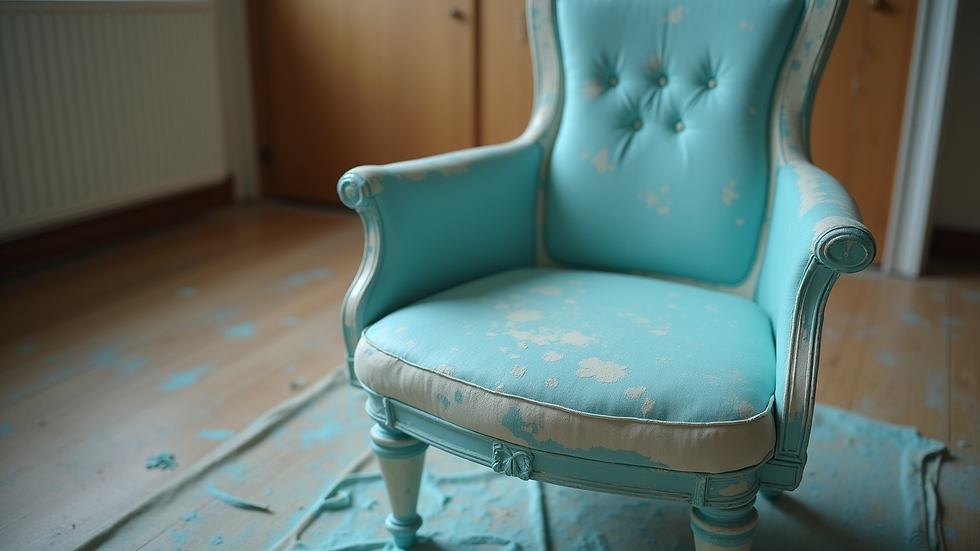
Can I Make Money from Upcycling Furniture?
While my focus is on clothing, many people wonder if upcycling furniture can be a profitable venture. The answer is yes, but it requires a mix of creativity, skill, and business savvy.
What Makes Furniture Upcycling Profitable?
Unique Appeal: Just like with clothes, furniture that’s one-of-a-kind attracts buyers looking for something special.
Quality Materials: Using solid wood or vintage pieces can increase value.
Skill Level: The better your craftsmanship, the more you can charge.
Market Demand: Knowing your audience and where to sell (online marketplaces, local fairs, or boutiques) is key.
Tips for Success
Start Small: Begin with simple projects to build your skills and portfolio.
Focus on Style: Keep up with trends but add your unique twist.
Price Smartly: Factor in materials, labor, and market rates.
Build a Brand: Share your story and process to connect with buyers.
Upcycling furniture can be rewarding both creatively and financially, but it’s important to approach it with realistic expectations and a clear plan.
How to Get the Best Value from Custom Upcycling
Investing in custom upcycled pieces is about more than just price. It’s about value, sustainability, and owning something truly unique. Here are some tips to get the best bang for your buck:
Communicate Clearly
Be upfront about your budget and expectations. A good upcycler will work with you to create something beautiful within your price range.
Choose Quality Over Quantity
It’s better to invest in one well-made piece than several lower-quality items. Custom upcycling is about longevity and style that lasts.
Consider Versatility
Ask for designs that can be styled in multiple ways or adapted for different occasions. This increases the usefulness of your investment.
Support Local Artisans
Buying from local creators not only supports the community but often means better communication and a more personalized experience.
Why Custom Upcycling Is Worth Every Penny
At the end of the day, custom upcycling pricing reflects the value of creativity, sustainability, and individuality. When you buy an upcycled piece, you’re not just purchasing clothing or furniture - you’re investing in a story, a craft, and a commitment to reducing waste.
Each stitch, each brushstroke, and each thoughtful design choice adds to the magic of the piece. It’s a way to express your style while honoring the past and protecting the future.
If you’re looking for something truly special, custom upcycling offers a meaningful alternative to fast fashion and mass production. It’s a chance to own art you can wear or use every day.
Embracing the Journey of Custom Upcycling
Exploring custom upcycling pricing has been an eye-opening journey for me. It’s about more than numbers - it’s about understanding the passion and effort behind every piece. Whether you’re drawn to the charm of vintage fabrics or the thrill of a one-of-a-kind design, knowing what goes into the cost helps you appreciate the value.
So next time you see a beautifully upcycled jacket or a restored chair, remember the story behind it. And if you’re ready to invest in something unique, you’ll know exactly what to expect.
Custom upcycling is not just a trend - it’s a movement towards mindful, meaningful style. And that’s something worth celebrating.


Comments